Understanding Vegetarian Diets: Research Insights, Benefits, and Drawbacks
- Richard Punzenberger
- Jan 3
- 4 min read

Vegetarian diets have become increasingly popular worldwide, with many people choosing to reduce or eliminate meat consumption for health, ethical, or environmental reasons. But what exactly does a vegetarian diet involve? What does scientific research say about its effects on health? Who might benefit most from adopting this way of eating? This article explores these questions, weighing the advantages and potential downsides of vegetarian diets to help you make informed decisions about your nutrition.

What Is a Vegetarian Diet?
A vegetarian diet excludes meat, poultry, and fish but may include other animal products such as dairy and eggs. There are several types of vegetarianism:
Lacto-vegetarian: Includes dairy products but excludes eggs and meat.
Ovo-vegetarian: Includes eggs but excludes dairy and meat.
Lacto-ovo vegetarian: Includes both dairy and eggs but excludes meat.
Vegan: Excludes all animal products, including dairy, eggs, and honey.
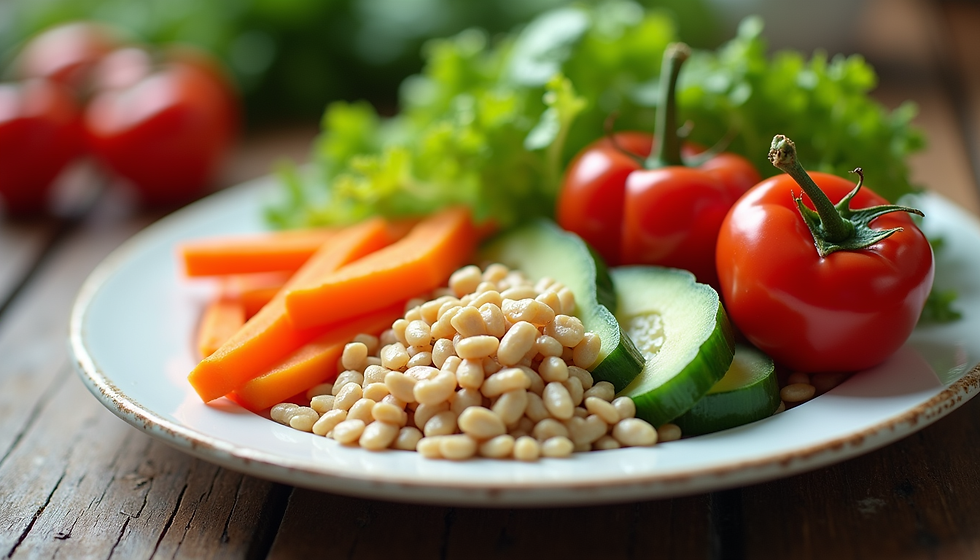
Vegetarian diets focus on plant-based foods like vegetables, fruits, grains, legumes, nuts, and seeds. The specific foods consumed can vary widely depending on cultural preferences and individual choices.
What Does Research Say About Vegetarian Diets?
Scientific studies have examined vegetarian diets for decades, often comparing them to omnivorous diets. Here are some key findings:
Cardiovascular Health: Research shows that vegetarians tend to have lower blood pressure, reduced cholesterol levels, and a lower risk of heart disease. A 2017 review published in Nutrients found that vegetarian diets were associated with a 25% reduction in ischemic heart disease risk.
Weight Management: Vegetarians often have lower body mass indexes (BMIs) compared to meat-eaters. Plant-based diets tend to be higher in fiber and lower in calories, which can support weight control.
Diabetes Risk: Studies suggest vegetarian diets may improve insulin sensitivity and reduce the risk of type 2 diabetes. A large study in JAMA Internal Medicine reported a 23% lower risk of diabetes among vegetarians.
Cancer Risk: Some research indicates that vegetarian diets may lower the risk of certain cancers, particularly colorectal cancer, possibly due to higher intake of fiber and antioxidants.
Nutrient Considerations: While vegetarian diets provide many nutrients, they may lack sufficient vitamin B12, iron, omega-3 fatty acids, and sometimes protein if not carefully planned.
Who Is a Vegetarian Diet For?
Vegetarian diets can suit a wide range of people, but they may be especially beneficial for:
Individuals seeking to improve heart health or manage weight.
People interested in reducing their environmental impact.
Those motivated by ethical concerns about animal welfare.
Anyone looking to increase their intake of plant-based foods.
However, certain groups need to plan carefully or consult healthcare providers before adopting vegetarianism:
Pregnant or breastfeeding women need to ensure adequate nutrient intake for themselves and their babies.
Children and adolescents require balanced nutrition for growth and development.
Athletes may need to focus on protein and energy needs.
People with specific health conditions should discuss dietary changes with a professional.
Benefits of Vegetarian Diets
Choosing a vegetarian diet offers several advantages:
Improved Heart Health: Lower saturated fat intake and higher consumption of fiber-rich foods support cardiovascular function.
Weight Control: Plant-based diets are often lower in calories and promote satiety.
Better Blood Sugar Control: High fiber and nutrient-dense foods help regulate blood glucose.
Environmental Sustainability: Vegetarian diets generally have a smaller carbon footprint and use fewer natural resources.
Ethical Considerations: Avoiding meat aligns with concerns about animal welfare and factory farming practices.
Drawbacks and Risks of Vegetarian Diets
Despite many benefits, vegetarian diets can pose challenges:
Nutrient Deficiencies: Without careful planning, vegetarians may lack vitamin B12, iron, calcium, zinc, and omega-3 fatty acids.
Protein Quality: Plant proteins sometimes lack one or more essential amino acids, requiring a varied diet to meet needs.
Social and Cultural Barriers: Eating out or attending social events can be more complicated for vegetarians.
Potential Overreliance on Processed Foods: Some vegetarian products are highly processed and may be high in sodium, sugar, or unhealthy fats.
Practical Tips for a Balanced Vegetarian Diet
To maximize benefits and reduce risks, consider these strategies:
Include a variety of plant proteins such as beans, lentils, tofu, tempeh, nuts, and seeds.
Consume fortified foods or supplements for vitamin B12.
Eat iron-rich plant foods like spinach, lentils, and quinoa, paired with vitamin C sources to enhance absorption.
Incorporate sources of omega-3 fatty acids such as flaxseeds, chia seeds, walnuts, or algae-based supplements.
Plan meals to cover all essential nutrients and avoid excessive reliance on processed vegetarian foods.
Real progress starts with the right plan—and the right support.
With Punzy Fitness, you’ll get weekly coaching, personalized movement assessments, and clear next steps tailored to your goals.
👉 Apply for online coaching and start moving better, feeling stronger, and living healthier.
Disclaimer:
The information shared in this article is for educational purposes only and is not a substitute for professional medical advice. Always consult with your healthcare team before beginning a new exercise program, using supplements, or making dietary changes, especially if you have existing health conditions.


Comments