The Essential Role of Nutrition in Health and Wellness How to Apply Findings to Your Journey

Good nutrition is one of the most powerful tools you have to support your health and wellness. What you eat affects your energy, mood, immune system, and long-term risk for chronic diseases. Understanding the role nutrition plays can help you make informed choices that improve your quality of life. This post explores why nutrition matters, what research reveals about its impact, and practical ways to apply these insights to your own health journey.
Why Nutrition Matters for Your Health and Wellness
Nutrition provides the building blocks your body needs to function properly. Every cell depends on nutrients from food to repair, grow, and maintain balance. Poor nutrition can lead to fatigue, weakened immunity, and increased risk of conditions like heart disease, diabetes, and obesity.
Eating well supports:
Energy levels: Nutrient-rich foods fuel your body and brain.
Mental health: Certain nutrients influence mood and cognitive function.
Immune defense: Vitamins and minerals strengthen your body's ability to fight infections.
Weight management: Balanced nutrition helps maintain a healthy weight.
Longevity: Healthy eating patterns reduce the risk of chronic diseases.
Ignoring nutrition can have serious consequences. For example, diets high in processed foods and added sugars contribute to inflammation and metabolic problems. On the other hand, diets rich in fruits, vegetables, whole grains, and lean proteins promote overall wellness.
What Research Says About Nutrition and Health
Scientific studies consistently show that diet quality affects health outcomes. Here are some key findings:
Mediterranean diet benefits: Research links this diet, rich in olive oil, nuts, fish, and vegetables, to lower rates of heart disease and improved brain health.
Plant-based diets: Studies find that diets emphasizing plants reduce the risk of type 2 diabetes and certain cancers.
Sugar and processed foods: High intake is associated with obesity, inflammation, and increased risk of chronic diseases.
Micronutrients: Deficiencies in vitamins like D, B12, and minerals such as iron can impair immune function and energy metabolism.
Gut health: Emerging research highlights the role of fiber and probiotics in supporting a healthy microbiome, which influences digestion and immunity.
For example, a 2019 study published in The Lancet analyzed global dietary patterns and found that poor diet is a leading cause of death worldwide, mainly due to cardiovascular disease. This underscores the importance of improving nutrition for public health.

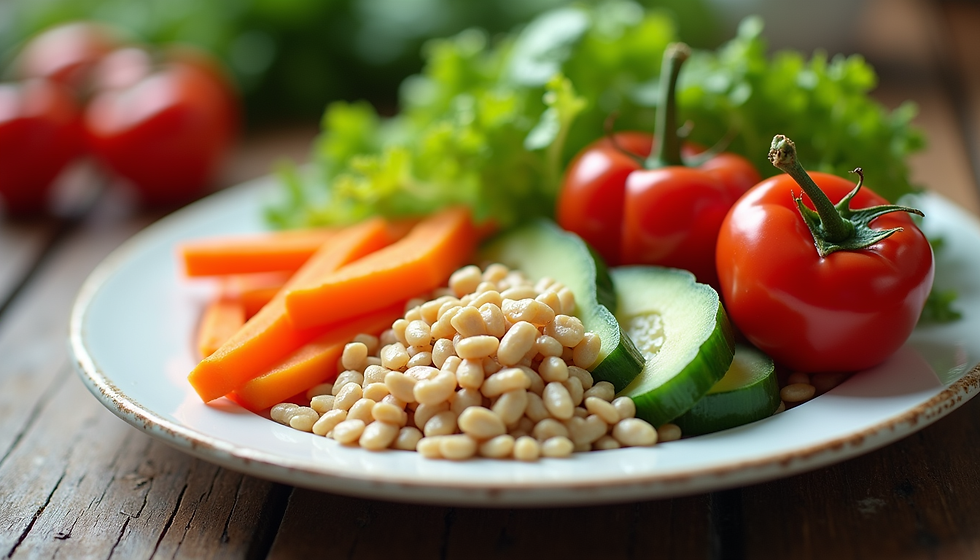
Balanced meals provide essential nutrients to support health and wellness.
How to Apply Nutrition Research to Your Own Journey
Understanding the science is one thing, but applying it to your daily life is what makes a difference. Here are practical steps to improve your nutrition:
1. Focus on Whole Foods
Choose foods as close to their natural state as possible. Fresh fruits, vegetables, whole grains, nuts, seeds, lean meats, and fish offer the most nutrients without added sugars or unhealthy fats.
2. Build Balanced Meals
Aim to include a variety of food groups in every meal:
Vegetables and fruits for vitamins, minerals, and fiber
Whole grains for sustained energy
Protein sources for muscle repair and satiety
Healthy fats from sources like olive oil, avocados, and nuts
3. Limit Processed and Sugary Foods
Reduce intake of foods high in added sugars, refined grains, and unhealthy fats. These contribute to inflammation and metabolic issues.
4. Stay Hydrated
Water supports digestion, nutrient transport, and overall function. Aim for at least 8 cups daily, adjusting for activity and climate.
5. Listen to Your Body
Pay attention to hunger and fullness cues. Eating mindfully helps prevent overeating and supports better digestion.
6. Plan and Prepare Meals
Planning meals ahead reduces reliance on convenience foods and helps maintain a balanced diet.
7. Seek Professional Guidance if Needed
Registered dietitians can provide personalized advice based on your health goals and conditions.
Examples of Nutrition in Action
Improving energy: Switching from sugary snacks to nuts and fruit can stabilize blood sugar and reduce energy crashes.
Supporting immunity: Adding citrus fruits and leafy greens increases vitamin C and antioxidants, which help fight infections.
Weight management: Replacing refined grains with whole grains increases fiber intake, promoting fullness and reducing calorie intake.
Mood support: Including omega-3 rich foods like salmon supports brain health and may reduce symptoms of depression.
Summary and Next Steps
Nutrition plays a central role in your health and wellness. Research shows that eating a balanced diet rich in whole foods supports energy, immunity, mental health, and reduces chronic disease risk. Applying these findings means focusing on nutrient-dense meals, limiting processed foods, staying hydrated, and listening to your body’s needs.
Start small by adding more vegetables to your plate or swapping sugary drinks for water. Over time, these changes build a foundation for lasting health. Your nutrition journey is personal, so find what works best for you and keep learning. Taking control of your diet is one of the most effective ways to improve your overall well-being.
Real progress starts with the right plan—and the right support.
With Punzy Fitness, you’ll get weekly coaching, personalized movement assessments, and clear next steps tailored to your goals.
👉 Apply for online coaching and start moving better, feeling stronger, and living healthier.
Disclaimer:
The information shared in this article is for educational purposes only and is not a substitute for professional medical advice. Always consult with your healthcare team before beginning a new exercise program, using supplements, or making dietary changes, especially if you have existing health conditions.


Comments