Understanding the ADA Food Plate: Evolution from Food Pyramid to Practical Nutrition Guide
- Richard Punzenberger
- Jan 3
- 4 min read

Eating well can feel confusing with so many diet plans and nutrition advice out there. The American Diabetes Association (ADA) Food Plate offers a simple, clear way to plan meals that support health, especially for people managing diabetes. This guide explains what the ADA Food Plate is, why it exists, how it evolved from the traditional food pyramid, why it changed into a plate, and how you can use it to make better food choices every day.

What Is the ADA Food Plate?
The ADA Food Plate is a visual tool designed to help people create balanced meals that support blood sugar control and overall health. It divides a plate into sections representing different food groups:
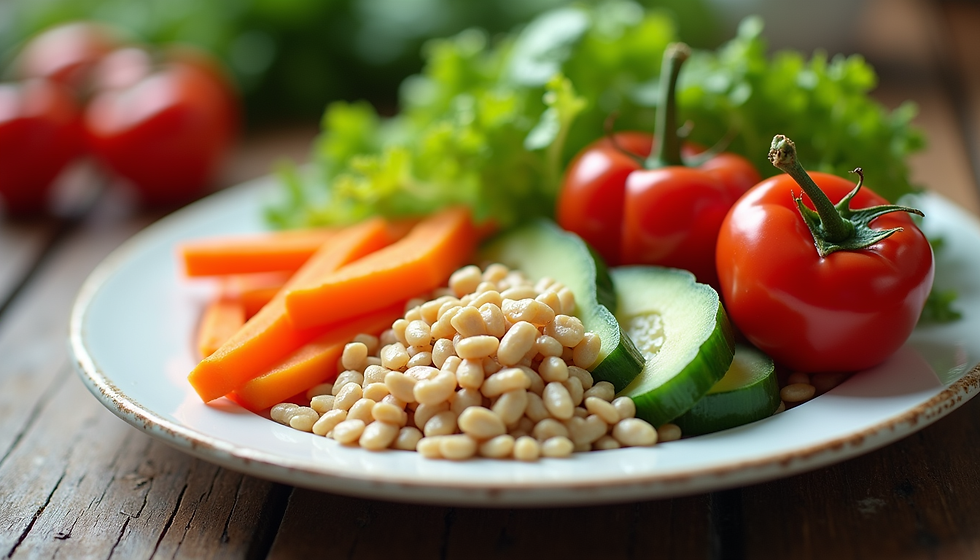
Vegetables: Fill half your plate with non-starchy vegetables like leafy greens, peppers, and broccoli.
Grains and Starches: About a quarter of the plate includes whole grains or starchy foods such as brown rice, quinoa, or sweet potatoes.
Protein: The remaining quarter is for lean protein sources like chicken, fish, beans, or tofu.
Fruit: A small side portion of fruit complements the meal.
Dairy: A serving of low-fat or fat-free dairy can be added separately.
This layout helps people focus on portion sizes and food variety, which are key for managing diabetes and maintaining a healthy diet.
Why Do We Have the ADA Food Plate?
The ADA Food Plate exists to simplify nutrition guidance for people with diabetes and those looking to eat healthier. Managing blood sugar levels requires attention to what and how much you eat. The plate:
Encourages balanced meals with the right mix of carbohydrates, protein, and fats.
Promotes portion control to avoid overeating.
Focuses on nutrient-dense foods that provide vitamins, minerals, and fiber.
Reduces confusion by offering a straightforward visual instead of complex charts or lists.
By using the ADA Food Plate, people can make practical meal choices that support their health goals without needing to count every calorie or carb gram.
How the ADA Food Plate Started from the Food Pyramid
The food pyramid was introduced by the U.S. Department of Agriculture (USDA) in 1992 as a guide to healthy eating. It showed food groups stacked in layers, with grains at the base and fats at the top. While the pyramid was a helpful start, it had some limitations:
It was hard to translate into daily meals because it showed servings per day, not per meal.
It focused heavily on grains, which sometimes led to overeating carbohydrates.
It lacked clear guidance on portion sizes and balance on a single plate.
The ADA initially used the pyramid to educate about healthy eating but found it did not fully meet the needs of people managing diabetes. They needed a tool that was easier to use at mealtime and better reflected the importance of balancing carbohydrates with other nutrients.
Why the Food Pyramid Turned into the Plate
The shift from the pyramid to the plate came from the need for a more practical, meal-based guide. The plate format offers several advantages:
Visual simplicity: People eat from plates, not pyramids, so the plate shows how to fill a real meal.
Clear portion control: Dividing the plate into sections helps control how much of each food group to eat.
Focus on balance: The plate emphasizes vegetables and lean proteins while limiting starchy foods.
Easier to remember and apply: The plate is intuitive and straightforward, making it easier to follow.
The ADA Food Plate was developed to reflect these benefits, making it a better tool for everyday meal planning, especially for those needing to manage blood sugar levels carefully.
Why the ADA Food Plate Changes Over Time
Nutrition science evolves as new research emerges. The ADA Food Plate has changed to reflect updated knowledge about healthy eating and diabetes management. Reasons for changes include:
New evidence on carbohydrate quality: Emphasizing whole grains and fiber-rich foods over refined carbs.
Better understanding of fats: Encouraging healthy fats from sources like nuts and olive oil instead of saturated fats.
Focus on plant-based proteins: Including beans, lentils, and tofu as healthy protein options.
Cultural and individual diversity: Adapting the plate to fit different dietary preferences and lifestyles.
These updates help keep the ADA Food Plate relevant and effective for guiding healthy eating habits.
How to Use the ADA Food Plate in Daily Life
Using the ADA Food Plate is simple and flexible. Here are practical steps to apply it:
Start with half your plate as non-starchy vegetables: Fill it with colorful veggies like spinach, carrots, or cauliflower.
Add a quarter plate of whole grains or starchy foods: Choose brown rice, whole wheat pasta, or beans.
Include a quarter plate of lean protein: Opt for grilled chicken, fish, tofu, or legumes.
Add a small portion of fruit: Fresh berries, an apple slice, or orange segments work well.
Include a serving of low-fat dairy: A cup of milk or yogurt can complement the meal.
Limit added sugars and processed foods: Avoid sugary drinks, sweets, and heavily processed snacks.
Watch portion sizes: Use a standard 9-inch plate to help control portions visually.
Plan meals ahead: Preparing meals with the plate in mind can reduce last-minute unhealthy choices.
For example, a balanced dinner might be grilled salmon, steamed broccoli, quinoa, a small apple, and a cup of low-fat yogurt.
Benefits of Following the ADA Food Plate
People who use the ADA Food Plate often experience:
Better blood sugar control due to balanced carbohydrate intake.
Improved weight management by focusing on nutrient-dense foods and portion control.
Increased intake of fiber and vitamins from vegetables and whole grains.
Simplified meal planning that reduces stress around food choices.
Greater variety in meals by encouraging different food groups.
This approach supports long-term health and can reduce the risk of diabetes complications.
Real progress starts with the right plan—and the right support.
With Punzy Fitness, you’ll get weekly coaching, personalized movement assessments, and clear next steps tailored to your goals.
👉 Apply for online coaching and start moving better, feeling stronger, and living healthier.
Disclaimer:
The information shared in this article is for educational purposes only and is not a substitute for professional medical advice. Always consult with your healthcare team before beginning a new exercise program, using supplements, or making dietary changes, especially if you have existing health conditions.


Comments