Understanding GMOs: Research Insights and How to Navigate Them in Your Diet
- Richard Punzenberger
- Jan 3
- 3 min read

Genetically modified organisms, or GMOs, often spark strong opinions and confusion. Are they safe? Are they harmful? Should you avoid them or embrace them? This post breaks down what GMOs are, what scientific research says about them, why they might not always be bad, and how you can decide whether to include them in your diet.
What Are GMOs?
GMOs are plants, animals, or microorganisms whose genetic material has been altered in ways that do not occur naturally through mating or natural recombination. Scientists use genetic engineering techniques to introduce new traits or enhance existing ones. For example, a crop might be modified to resist pests, tolerate herbicides, or improve nutritional content.
Common GMO crops include:
Corn
Soybeans
Cotton
Canola
Papaya
These modifications aim to increase yield, reduce pesticide use, or improve food quality.
What Does the Research Say About GMOs?
Scientific research on GMOs spans decades and involves many studies worldwide. The consensus among major scientific organizations, including the World Health Organization (WHO), the American Medical Association (AMA), and the National Academy of Sciences, is that currently approved GMO foods are safe to eat.
Safety and Health
No evidence of harm: Numerous studies have found no significant health risks linked to consuming approved GMO foods.
Allergenicity: GMOs undergo rigorous testing to ensure they do not introduce new allergens.
Nutritional value: GMO crops can be engineered to have enhanced nutritional profiles, such as Golden Rice enriched with vitamin A.
Environmental Impact
Reduced pesticide use: Some GMO crops require fewer chemical pesticides, which can benefit the environment.
Resistance concerns: Overuse of herbicide-tolerant crops has led to resistant weeds, requiring careful management.
Biodiversity: There are concerns about GMO crops affecting biodiversity, but evidence is mixed and context-dependent.
Economic and Social Factors
GMOs can increase crop yields and farmer income in some regions.
Intellectual property rights and seed patents raise ethical and economic questions.

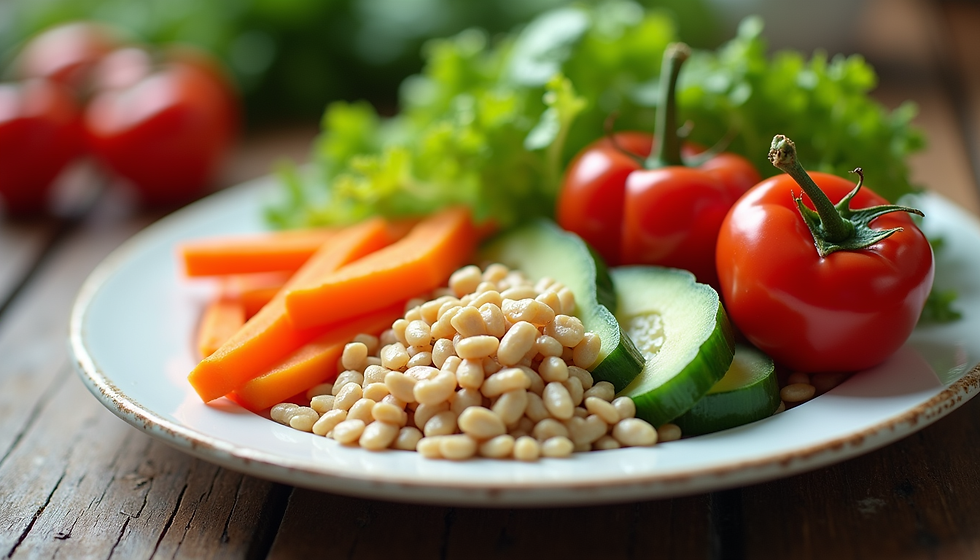
Genetically modified corn kernels showing uniform size and color
Why GMOs May Not Always Be Bad
GMOs often get a bad reputation, but they offer several potential benefits:
Improved food security: GMO crops can grow in harsh conditions, helping feed growing populations.
Reduced chemical use: Pest-resistant crops can lower the need for harmful pesticides.
Enhanced nutrition: Biofortified crops can address nutrient deficiencies in vulnerable populations.
Sustainability: Some GMO crops require less water or fertilizer, reducing environmental footprints.
For example, the introduction of GMO papaya saved Hawaii’s papaya industry from a devastating virus. Golden Rice aims to reduce vitamin A deficiency in developing countries, potentially preventing blindness and death.
How to Decide Whether to Include GMOs in Your Diet
Choosing whether to eat GMO foods depends on your values, health concerns, and access to information.
Consider Your Priorities
Health: Current evidence shows approved GMOs are safe. If you have allergies or sensitivities, check labels and consult healthcare providers.
Environment: If reducing pesticide use matters to you, some GMO crops can help, but consider local farming practices.
Ethics: Intellectual property and corporate control of seeds may influence your choice.
Availability: GMO foods are common in many processed foods, especially those containing corn and soy.
Practical Tips
Read labels: Look for non-GMO or organic labels if you want to avoid GMOs.
Buy local: Support farmers who use non-GMO seeds if that aligns with your values.
Diversify your diet: Eating a variety of whole foods reduces dependence on any single crop.
Stay informed: Research and regulations evolve, so keep up with trusted sources.
Real progress starts with the right plan—and the right support.
With Punzy Fitness, you’ll get weekly coaching, personalized movement assessments, and clear next steps tailored to your goals.
👉 Apply for online coaching and start moving better, feeling stronger, and living healthier.
Disclaimer:
The information shared in this article is for educational purposes only and is not a substitute for professional medical advice. Always consult with your healthcare team before beginning a new exercise program, using supplements, or making dietary changes, especially if you have existing health conditions.


Comments