The Mediterranean Diet Explained: Benefits, Risks, and Who Should Consider It
- Richard Punzenberger
- Jan 3
- 4 min read

The Mediterranean diet often ranks among the healthiest eating patterns worldwide. It promises not only better heart health but also improved longevity and overall well-being. But what exactly is the Mediterranean diet? What does scientific research say about its benefits and risks? Who stands to gain the most from adopting it, and are there reasons to be cautious? This article breaks down the essentials of the Mediterranean diet to help you decide if it fits your lifestyle.

What Is the Mediterranean Diet?
The Mediterranean diet is inspired by the traditional eating habits of countries bordering the Mediterranean Sea, such as Greece, Italy, and Spain. It emphasizes whole, minimally processed foods and balances macronutrients in a way that supports health.
Key components include:
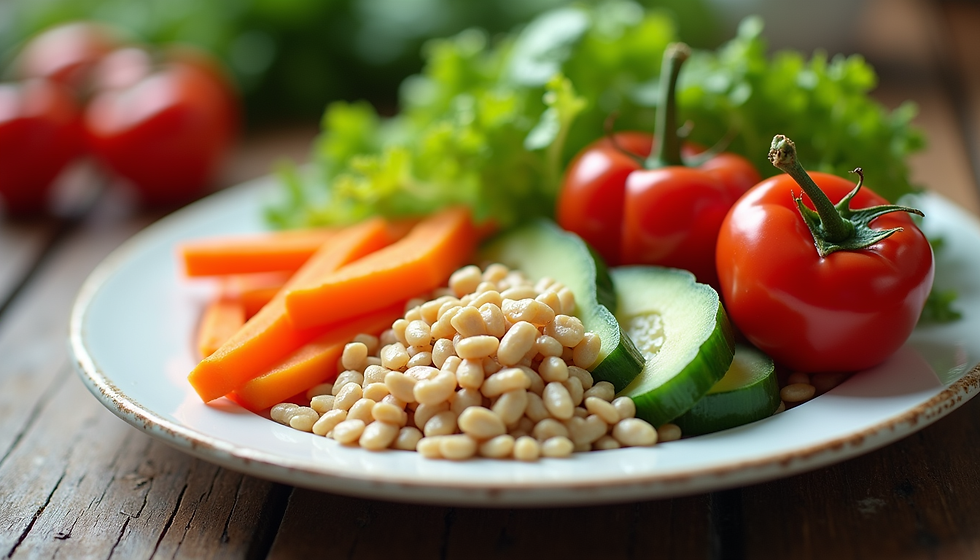
Fruits and vegetables: Consumed in large amounts daily.
Whole grains: Such as barley, oats, and whole wheat.
Healthy fats: Primarily from extra virgin olive oil and nuts.
Legumes and nuts: Beans, lentils, almonds, and walnuts are staples.
Fish and seafood: Eaten regularly, at least twice a week.
Moderate dairy: Mainly yogurt and cheese.
Limited red meat: Consumed sparingly.
Wine: Often enjoyed in moderation, usually with meals.
This diet is less about strict rules and more about a pattern of eating that favors plant-based foods and healthy fats over processed foods and saturated fats.
What Does Research Say About the Mediterranean Diet?
Numerous studies have examined the Mediterranean diet’s impact on health. The evidence consistently points to several benefits:
Heart health: Research shows that people following the Mediterranean diet have a lower risk of heart disease. A landmark study published in the New England Journal of Medicine found a 30% reduction in cardiovascular events among participants who followed this diet compared to those on a low-fat diet.
Weight management: While not designed as a weight-loss diet, it supports healthy weight maintenance due to its focus on nutrient-dense foods and healthy fats.
Diabetes control: The diet improves blood sugar control and insulin sensitivity, reducing the risk of type 2 diabetes.
Brain health: Some studies link the Mediterranean diet to a lower risk of cognitive decline and Alzheimer’s disease.
Longevity: Populations that follow this diet tend to live longer and experience fewer chronic diseases.
The Mediterranean diet’s benefits come from its rich supply of antioxidants, fiber, and healthy fats, which reduce inflammation and oxidative stress in the body.
Who Is the Mediterranean Diet For?
This diet suits a wide range of people, but it is especially beneficial for:
Individuals with heart disease risk factors: Those with high blood pressure, high cholesterol, or a family history of heart disease.
People managing type 2 diabetes or prediabetes: The diet helps regulate blood sugar.
Anyone seeking a balanced, sustainable way of eating: It is flexible and enjoyable, making it easier to stick with long term.
Older adults: To support brain health and reduce the risk of cognitive decline.
Those interested in plant-based eating: The diet naturally emphasizes plants without requiring strict vegetarianism.
However, it may not be ideal for people with specific dietary restrictions or allergies, such as nut allergies or those who cannot consume alcohol.
Pros and Cons of the Mediterranean Diet
Pros
Rich in nutrients: High in vitamins, minerals, fiber, and antioxidants.
Heart-friendly: Strong evidence supports cardiovascular benefits.
Flexible and enjoyable: No calorie counting or strict rules.
Supports sustainable eating: Emphasizes whole foods and seasonal produce.
May improve mental health: Some research links it to reduced depression symptoms.
Cons
Cost: Fresh produce, fish, and olive oil can be expensive.
Preparation time: Meals often require cooking from scratch.
Alcohol caution: Wine is optional but common; not suitable for everyone.
Not a quick fix: Benefits appear over time, not immediately.
May not suit all tastes: Some may find it challenging to reduce red meat or processed foods.
Risks Versus Rewards
The Mediterranean diet carries minimal risks when followed appropriately. The main concerns involve:
Alcohol consumption: Drinking wine is optional and should be moderate. People with certain health conditions or those who avoid alcohol should skip it.
Allergies and intolerances: Nuts and seafood are common allergens.
Caloric intake: While healthy fats are beneficial, they are calorie-dense. Overeating can lead to weight gain.
The rewards, however, are substantial. The diet supports heart health, weight management, and chronic disease prevention. It encourages a balanced lifestyle that includes physical activity and social meals, which also contribute to well-being.
Why You May or May Not Choose the Mediterranean Diet
You may want to adopt the Mediterranean diet if you:
Want a heart-healthy eating plan backed by strong evidence.
Prefer a diet that is flexible and based on whole foods.
Are looking for a sustainable lifestyle change rather than a quick diet.
Enjoy cooking and trying new recipes with fresh ingredients.
Wish to improve blood sugar control or reduce inflammation.
You may decide against it if you:
Have allergies to nuts, seafood, or other key ingredients.
Find the cost of fresh produce and fish prohibitive.
Prefer a diet with less cooking or more convenience foods.
Avoid alcohol entirely and do not want to substitute it.
Need a diet tailored to specific medical conditions that require stricter control.
Practical Tips for Starting the Mediterranean Diet
Stock up on olive oil: Use it as your main cooking fat and salad dressing.
Eat more vegetables: Aim for at least 5 servings a day.
Choose whole grains: Swap white bread and pasta for whole wheat or barley.
Include fish twice a week: Salmon, sardines, and mackerel are good choices.
Snack on nuts and fruits: Instead of processed snacks.
Limit red meat: Replace with poultry, fish, or legumes.
Enjoy meals with family or friends: Social eating is part of the Mediterranean lifestyle.
Final Thoughts
The Mediterranean diet offers a balanced, enjoyable way to eat that supports heart health, longevity, and overall wellness. Its emphasis on whole foods, healthy fats, and plant-based ingredients makes it a strong choice for many people. While it may not suit everyone, especially those with allergies or specific dietary needs, the diet’s flexibility allows for adaptation.
Real progress starts with the right plan—and the right support.
With Punzy Fitness, you’ll get weekly coaching, personalized movement assessments, and clear next steps tailored to your goals.
👉 Apply for online coaching and start moving better, feeling stronger, and living healthier.
Disclaimer:
The information shared in this article is for educational purposes only and is not a substitute for professional medical advice. Always consult with your healthcare team before beginning a new exercise program, using supplements, or making dietary changes, especially if you have existing health conditions.


Comments