The Comprehensive Guide to Understanding the Vegan Diet: Benefits, Risks, and Who Should Consider It
- Richard Punzenberger
- Jan 3
- 4 min read

The vegan diet has gained significant attention in recent years, with more people exploring plant-based eating for health, ethical, and environmental reasons. But what exactly is a vegan diet? What does scientific research say about its effects? Who can benefit from it, and who might want to avoid it? This guide breaks down the essentials of the vegan diet, weighing its benefits and risks to help you decide if it fits your lifestyle.

What Is a Vegan Diet?
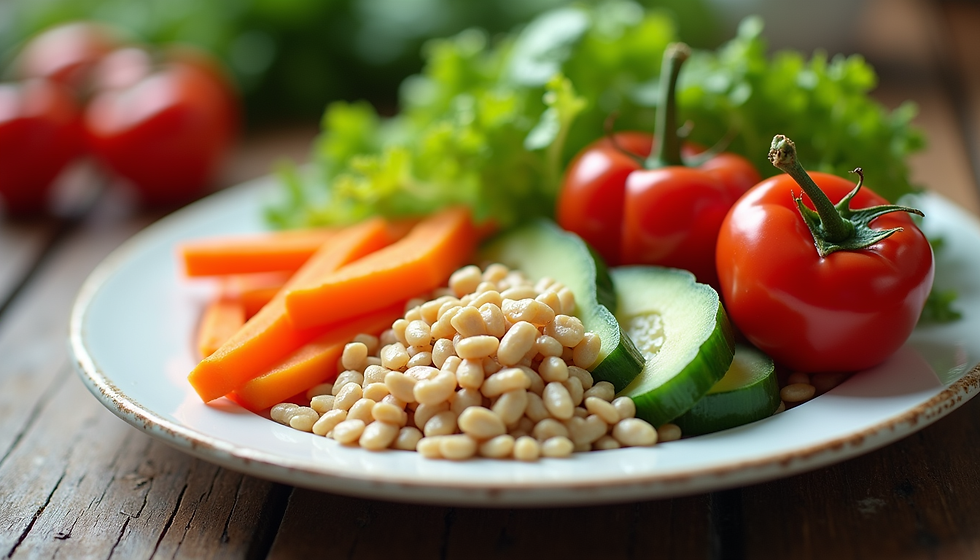
A vegan diet excludes all animal products. This means no meat, dairy, eggs, or any food derived from animals. Instead, it focuses on fruits, vegetables, grains, nuts, seeds, and legumes. Some people adopt veganism for ethical reasons, avoiding animal exploitation. Others choose it for health benefits or environmental concerns.
The diet can vary widely. Some vegans eat whole, minimally processed foods, while others may rely on processed vegan substitutes. Understanding these differences is key to evaluating the diet’s impact on health.
What Does Research Say About the Vegan Diet?
Scientific studies have explored the vegan diet’s effects on health, nutrition, and disease risk. Here are some key findings:
Heart Health
Research shows that vegans tend to have lower cholesterol levels and blood pressure. A 2019 review in Nutrients found that plant-based diets reduce the risk of heart disease by improving blood lipid profiles and reducing inflammation.
Weight Management
Studies indicate vegans often have lower body mass indexes (BMI) compared to meat-eaters. This may be due to higher fiber intake and lower calorie density in plant foods.
Diabetes Risk
Vegan diets can improve insulin sensitivity and reduce the risk of type 2 diabetes. A 2018 study in JAMA reported that plant-based diets were linked to a 23% lower risk of developing diabetes.
Nutrient Considerations
While rich in fiber, vitamins C and E, and antioxidants, vegan diets may lack vitamin B12, iron, calcium, omega-3 fatty acids, and protein if not carefully planned. Supplementation or fortified foods are often necessary.
Bone Health
Some research suggests vegans may have lower bone mineral density, possibly due to lower calcium and vitamin D intake. However, this risk can be mitigated with proper nutrition.
Who Should Consider a Vegan Diet?
The vegan diet can suit many people but is especially beneficial for:
Individuals Seeking Heart Health Improvements
Those with high cholesterol or hypertension may find plant-based eating helpful.
People Interested in Weight Loss or Maintenance
The diet’s emphasis on whole plant foods can support healthy weight management.
Ethically Motivated Individuals
People concerned about animal welfare or environmental sustainability often choose veganism.
Those with Certain Chronic Conditions
Some evidence supports vegan diets for managing type 2 diabetes and reducing inflammation.
Athletes and Active Individuals
With proper planning, vegan diets can support athletic performance and recovery.
Why Would You Choose a Vegan Diet?
There are several reasons people adopt veganism:
Health Benefits
Lower risk of heart disease, diabetes, and some cancers.
Environmental Impact
Plant-based diets generally use fewer natural resources and produce less greenhouse gas.
Animal Welfare
Avoiding animal products reduces demand for factory farming.
Ethical and Spiritual Beliefs
Some people align veganism with their values or religious practices.
Culinary Exploration
Many enjoy discovering new flavors and plant-based recipes.
Why You Might Not Choose a Vegan Diet
Despite its benefits, veganism may not suit everyone:
Nutritional Challenges
Without careful planning, vegans risk deficiencies in vitamin B12, iron, calcium, and omega-3s.
Social and Cultural Factors
Eating out or attending social events can be difficult for vegans in some communities.
Personal Preference
Some people simply prefer the taste and texture of animal products.
Medical Conditions
Certain health issues may require animal-based nutrients or make veganism impractical.
Accessibility and Cost
In some areas, fresh plant-based foods or supplements may be expensive or hard to find.
Risks Versus Benefits of a Vegan Diet
Balancing the pros and cons helps clarify if veganism is right for you.
Benefits
Reduced risk of chronic diseases
Lower environmental footprint
Ethical alignment with animal welfare
High intake of fiber, antioxidants, and vitamins from plants
Risks
Potential nutrient deficiencies without supplementation
Possible bone health concerns if calcium and vitamin D are low
Social and practical challenges in some settings
How to Minimize Risks
Include fortified foods or supplements for vitamin B12
Eat a variety of plant proteins like beans, lentils, tofu, and quinoa
Monitor iron intake with sources like spinach, legumes, and fortified cereals
Ensure adequate calcium from fortified plant milks, leafy greens, and nuts
Consider omega-3 supplements from algae oil
Practical Tips for Starting a Vegan Diet
Plan Your Meals
Focus on whole foods and variety to cover nutrient needs.
Learn to Read Labels
Some processed foods contain hidden animal ingredients.
Experiment with Recipes
Try new grains, legumes, and vegetables to keep meals exciting.
Seek Support
Join vegan communities or consult a dietitian for guidance.
Monitor Your Health
Regular check-ups can catch any nutrient gaps early.
Choosing a vegan diet involves more than just cutting out animal products. It requires thoughtful planning to reap health benefits and avoid risks. Whether motivated by health, ethics, or the environment, understanding the science and practical aspects helps you make an informed decision. If you decide to try veganism, focus on variety, nutrient-rich foods, and professional advice to support your wellbeing.
Real progress starts with the right plan—and the right support.
With Punzy Fitness, you’ll get weekly coaching, personalized movement assessments, and clear next steps tailored to your goals.
👉 Apply for online coaching and start moving better, feeling stronger, and living healthier.
Disclaimer:
The information shared in this article is for educational purposes only and is not a substitute for professional medical advice. Always consult with your healthcare team before beginning a new exercise program, using supplements, or making dietary changes, especially if you have existing health conditions.


Comments