Navigating the New Dietary Guidelines: Understanding Whole Foods, Saturated Fats, and Protein Recommendations
- Richard Punzenberger
- Jan 10
- 7 min read

The release of new dietary guidelines often sparks debate and confusion. This time, the updates bring notable changes in how we view whole foods, saturated fats, and protein intake. Some recommendations have improved clarity, while others reveal inconsistencies that leave many wondering what to trust. One striking omission is the lack of guidance on seed oils, a topic that has gained attention in nutrition circles. This post breaks down these key points to help you make informed choices about your diet.
Emphasizing Whole Foods for Better Health
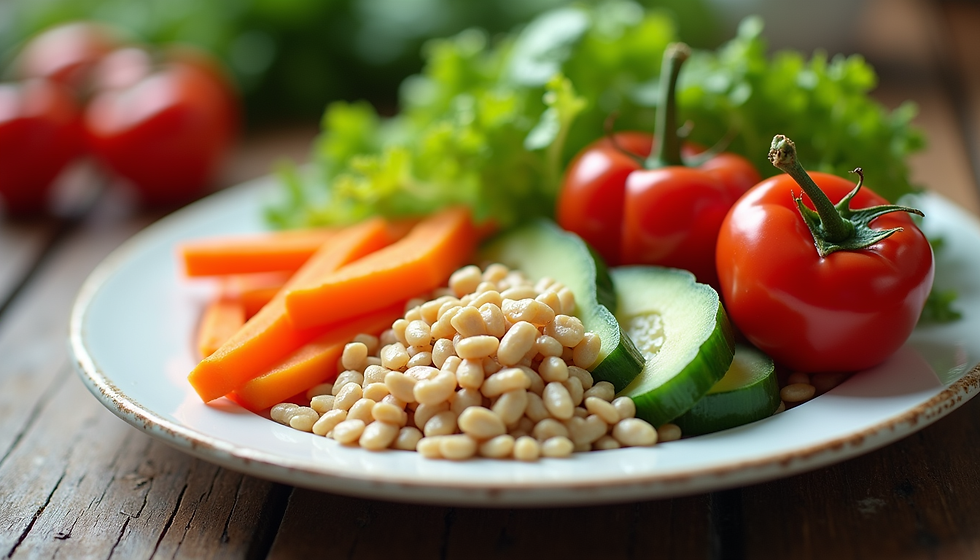
The new guidelines place a stronger focus on whole foods, encouraging people to prioritize minimally processed options. Whole foods include fruits, vegetables, whole grains, nuts, seeds, legumes, and unprocessed meats. These foods provide essential nutrients, fiber, and antioxidants that support overall health.
Why Whole Foods Matter
Nutrient density: Whole foods offer a rich supply of vitamins and minerals that processed foods often lack.
Satiety: High fiber content in whole foods helps you feel full longer, which can aid in weight management.
Reduced additives: Minimally processed foods contain fewer artificial ingredients and preservatives.
For example, swapping refined white bread for whole grain bread or choosing fresh fruit over fruit-flavored snacks can make a significant difference in nutrient intake.
The Confusing Role of Saturated Fats
Saturated fats have long been a controversial topic in nutrition. The new guidelines reflect this ongoing debate by presenting mixed messages. While some recommendations suggest limiting saturated fat intake to reduce heart disease risk, other sections acknowledge that not all saturated fats have the same effects.
What the Guidelines Say
Limit saturated fats to less than 10% of daily calories.
Replace saturated fats with unsaturated fats, especially polyunsaturated fats.
Recognize that some sources of saturated fat, like dairy and dark chocolate, may have neutral or even beneficial effects.
This inconsistency can be confusing. For example, butter and coconut oil are high in saturated fats but have different impacts on health markers. The guidelines encourage choosing fats from nuts, seeds, avocados, and fish, which are rich in unsaturated fats.
Improved Protein Recommendations
Protein intake recommendations have become more nuanced, reflecting the importance of quality and variety. The guidelines emphasize not just the amount of protein but also its sources.
Key Points on Protein
Adults should aim for a balanced intake of protein throughout the day.
Include a mix of plant-based proteins (beans, lentils, tofu) and animal proteins (lean meats, poultry, fish).
Consider protein quality, which depends on amino acid composition and digestibility.
For example, combining rice and beans provides a complete protein profile similar to animal sources. The guidelines also highlight the benefits of seafood for omega-3 fatty acids and lean meats for iron and B vitamins.
The Omission of Seed Oils
One surprising aspect of the new guidelines is the absence of specific advice on seed oils, such as soybean, corn, sunflower, and canola oils. These oils are widely used in cooking and processed foods, yet their health effects remain debated.
Why Seed Oils Matter
Seed oils are high in omega-6 polyunsaturated fats, which are essential but can promote inflammation if consumed excessively.
Many processed foods contain seed oils, contributing to high omega-6 intake.
Some research suggests that balancing omega-6 with omega-3 fats is important for reducing chronic disease risk.
Without clear guidance, consumers may struggle to understand how much seed oil is appropriate or whether to seek alternatives like olive oil or avocado oil.

Practical Tips for Applying the Guidelines
Navigating these new recommendations can feel overwhelming. Here are some practical steps to help you align your diet with the updated advice:
Choose whole foods first: Fill your plate with vegetables, fruits, whole grains, and legumes before adding processed items.
Be mindful of fats: Use oils like olive or avocado oil for cooking and limit butter and coconut oil if you have heart disease risk factors.
Diversify protein sources: Include plant proteins several times a week and choose lean animal proteins when possible.
Watch processed food intake: Many processed snacks and fast foods contain seed oils and added sugars, which can undermine health.
Balance omega-6 and omega-3 fats: Incorporate fatty fish like salmon or mackerel and consider flaxseeds or walnuts to boost omega-3 intake.
Understanding the Bigger Picture
The new dietary guidelines reflect evolving science but also highlight the complexity of nutrition. No single nutrient or food group determines health outcomes. Instead, overall dietary patterns matter most. Emphasizing whole foods, moderating saturated fat intake, and choosing quality protein sources can support long-term well-being.
At the same time, the lack of clear advice on seed oils suggests that nutrition science still has questions to answer. Staying informed and flexible with your diet allows you to adapt as new evidence emerges.
What Are the New Dietary Guidelines?
The dietary guidelines are updated every five years by health authorities to reflect new research on nutrition and health. The latest version focuses more on overall eating patterns rather than individual nutrients. It encourages a balanced diet rich in whole foods like fruits, vegetables, whole grains, lean proteins, and healthy fats.
Key highlights include:
Emphasis on plant-based foods
Reduced intake of added sugars and saturated fats
Encouragement to limit sodium
Focus on nutrient-dense foods over calorie counting
Recognition of cultural and personal food preferences
These changes reflect a shift from strict rules to flexible guidance that fits different lifestyles.
Why Did the Guidelines Change?
New scientific evidence shows that the quality of foods matters more than just counting calories or nutrients. For example, eating whole fruits is better than drinking fruit juices, even if the sugar content is similar. Research also links plant-based diets to lower risks of chronic diseases like heart disease and diabetes.
Other reasons for the update include:
Rising rates of obesity and diet-related illnesses
Growing awareness of food sustainability and environmental impact
Need for clearer advice that people can easily follow
Inclusion of diverse dietary patterns to respect cultural differences
The goal is to help people eat in ways that promote long-term health and well-being.
Pros of the New Dietary Guidelines
The updated guidelines offer several benefits:
More flexibility: Instead of rigid rules, the guidelines encourage balanced eating patterns that fit individual needs.
Focus on whole foods: This helps people choose nutrient-rich options that support health.
Reduced emphasis on calorie counting: This can reduce stress around eating and promote a healthier relationship with food.
Inclusion of cultural diversity: Recognizing different food traditions makes the advice more relevant to everyone.
Support for sustainability: Encouraging plant-based foods aligns with environmental goals.
These advantages make the guidelines more practical and inclusive.
Cons of the New Dietary Guidelines
Despite improvements, some challenges remain:
Less specific guidance: Some people may find the flexible approach confusing without clear portion sizes or exact limits.
Potential for misinterpretation: Without detailed rules, individuals might overlook important limits on sugar, salt, or unhealthy fats.
Implementation barriers: Access to fresh, whole foods can be limited by cost or location, making it hard for some to follow the advice.
Mixed messages from food marketing: Processed foods often claim to be healthy, which can conflict with guideline recommendations.
Understanding these drawbacks can help you navigate the guidelines more effectively.
How to Read the New Dietary Guidelines
Reading the new guidelines involves focusing on overall eating patterns rather than isolated nutrients. Here are tips to help you interpret them:
Look for recommended food groups and aim to include a variety of them daily.
Pay attention to limits on added sugars, saturated fats, and sodium.
Notice the emphasis on whole, minimally processed foods.
Consider your own cultural preferences and dietary needs when applying the advice.
Use the guidelines as a framework, not a strict rulebook.
The guidelines often include visual tools like the Healthy Eating Plate or MyPlate, which show balanced portions of different food groups.
How to Use the Guidelines in Your Diet
Applying the new guidelines can improve your eating habits. Here are practical steps:
Fill half your plate with fruits and vegetables at every meal. Choose a variety of colors and types.
Choose whole grains like brown rice, quinoa, or whole wheat bread instead of refined grains.
Include lean protein sources such as beans, nuts, fish, poultry, or tofu. Limit red and processed meats.
Limit sugary drinks and snacks. Opt for water, herbal teas, or milk instead of soda or sweetened beverages.
Cook more at home to control ingredients and portion sizes.
Read food labels to check for added sugars, sodium, and unhealthy fats.
Plan meals around plant-based foods to support health and the environment.
Small changes, like swapping white bread for whole grain or adding an extra serving of vegetables, can make a big difference over time.
Examples of Balanced Meals Based on the Guidelines
Here are some meal ideas that follow the new guidelines:
Breakfast: Oatmeal topped with fresh berries, a sprinkle of nuts, and a side of low-fat yogurt.
Lunch: Mixed greens salad with chickpeas, cherry tomatoes, cucumbers, olive oil dressing, and a whole grain roll.
Dinner: Grilled salmon, quinoa, steamed broccoli, and roasted sweet potatoes.
Snack: Apple slices with almond butter or carrot sticks with hummus.
These meals include a variety of food groups, focus on whole foods, and limit added sugars and unhealthy fats.
Tips for Staying on Track
Maintaining healthy eating habits can be easier with these strategies:
Set realistic goals: Start with one or two changes, like adding more vegetables or cutting back on sugary drinks.
Keep healthy snacks available: This reduces temptation to reach for processed foods.
Cook in batches: Prepare meals ahead to save time and avoid unhealthy choices.
Stay hydrated: Drinking water supports overall health and can reduce overeating.
Seek support: Share your goals with friends or family for encouragement.
Remember, progress is about consistency, not perfection.
Final Thoughts on Making Informed Choices
The updated dietary guidelines offer useful direction but also reveal areas of uncertainty. Focusing on whole foods and balanced protein intake provides a solid foundation. Being cautious with saturated fats and mindful of seed oil consumption can further support health.
Take time to explore foods that nourish your body and enjoy a variety of flavors and textures. Small, consistent changes often lead to the best results. If you have specific health concerns, consulting a registered dietitian can provide personalized guidance.
Real progress starts with the right plan—and the right support.
With Punzy Fitness, you’ll get weekly coaching, personalized movement assessments, and clear next steps tailored to your goals.
👉 Apply for online coaching and start moving better, feeling stronger, and living healthier.
Disclaimer:
The information shared in this article is for educational purposes only and is not a substitute for professional medical advice. Always consult with your healthcare team before beginning a new exercise program, using supplements, or making dietary changes, especially if you have existing health conditions.


Comments