Understanding Your Hamstrings: Functions, Research Insights, and Effective Training Techniques

The hamstrings are often overlooked in fitness routines, yet they play a crucial role in movement, stability, and injury prevention. Understanding what the hamstrings are, how they function, what science reveals about them, and how to train them effectively can transform your workouts and overall physical health. This post will guide you through everything you need to know about your hamstrings, backed by research and practical advice.
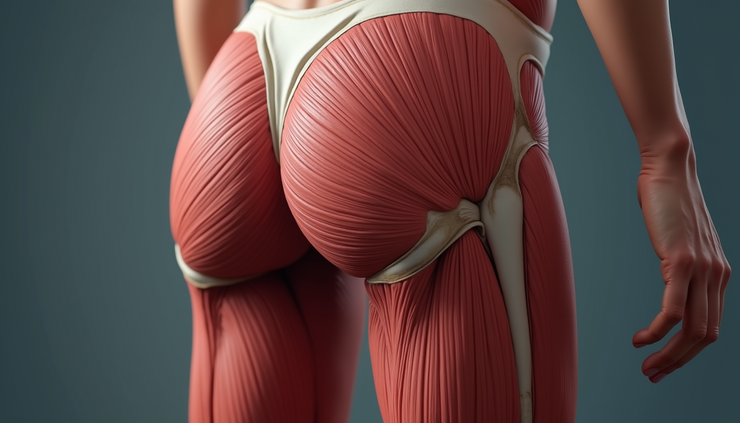
Close-up view of the hamstring muscles on the back of the thigh
What Are Your Hamstrings?
The hamstrings are a group of three muscles located at the back of your thigh. These muscles are:
Biceps femoris
Semitendinosus
Semimembranosus
Together, they run from the pelvis (ischial tuberosity) down to the bones of the lower leg (tibia and fibula). The hamstrings cross both the hip and knee joints, which means they influence movement at both locations.
Why Are They Important?
The hamstrings are essential for:
Knee flexion: Bending the knee
Hip extension: Moving the thigh backward
Stabilizing the pelvis during movement
Supporting posture and balance
Because they cross two joints, the hamstrings coordinate complex movements like running, jumping, and walking.
What Do the Hamstrings Do?
The hamstrings have several key functions that contribute to everyday activities and athletic performance:
Bending the knee: When you walk or run, the hamstrings contract to bend your knee and prepare your foot for the next step.
Extending the hip: They pull your thigh backward, which is crucial for movements like sprinting, climbing stairs, or standing up from a seated position.
Controlling leg movement: The hamstrings help slow down the leg during running, preventing injury by balancing the forces on the knee.
Pelvic stability: They maintain the position of the pelvis, which supports the lower back and helps maintain good posture.
Without strong and flexible hamstrings, you may experience limited mobility, poor posture, or increased risk of injury.
What Does Research Say About Hamstrings?
Scientific studies have explored the hamstrings from many angles, including injury prevention, muscle function, and training methods.
Hamstring Injuries and Prevention
Hamstring strains are common in sports that involve sprinting or sudden stops. Research shows that eccentric training—where muscles lengthen under tension—can reduce injury risk. For example, Nordic hamstring curls have been proven effective in strengthening the hamstrings eccentrically and lowering injury rates by up to 50% in athletes.
Muscle Activation and Performance
Studies using electromyography (EMG) reveal that different hamstring exercises activate the muscles in varying degrees. For instance:
Romanian deadlifts and good mornings strongly engage the hamstrings during hip extension.
Leg curls primarily target knee flexion.
Combining exercises that work both hip extension and knee flexion leads to better overall hamstring development.
Flexibility and Mobility
Tight hamstrings can lead to lower back pain and reduced athletic performance. Research supports regular stretching and mobility work to maintain hamstring length and function. Dynamic stretches before exercise and static stretches after workouts help maintain flexibility.
How to Train Your Hamstrings Effectively
Training the hamstrings requires a balance of strength, flexibility, and endurance work. Here are some key principles and exercises to include in your routine.
Focus on Both Hip Extension and Knee Flexion
Because the hamstrings cross two joints, training should target both functions:
Hip extension exercises: Romanian deadlifts, glute-ham raises, kettlebell swings
Knee flexion exercises: Lying or seated leg curls, Nordic hamstring curls
Include Eccentric Training
Eccentric movements help build strength and resilience. Nordic hamstring curls are a prime example. To perform them:
Kneel on a padded surface with your feet anchored.
Slowly lower your upper body forward, resisting the fall using your hamstrings.
Use your hands to catch yourself if needed, then push back up.
Start with a few reps and gradually increase as strength improves.
Use Progressive Overload
Gradually increase the weight, reps, or difficulty of exercises to continue building hamstring strength. For example, add weight to Romanian deadlifts or increase the range of motion in leg curls.
Prioritize Proper Form
Hamstring exercises can strain the lower back if done incorrectly. Keep your spine neutral, engage your core, and avoid jerky movements.
Incorporate Flexibility Work
Add hamstring stretches to your routine to maintain mobility. Examples include:
Standing hamstring stretch
Seated forward fold
Dynamic leg swings before workouts
Sample Hamstring Workout
Here’s a simple workout to target your hamstrings effectively:
| Exercise | Sets | Reps | Notes |
|------------------------|------|-------|----------------------------------|
| Romanian Deadlifts | 3 | 8-12 | Focus on hip hinge and control |
| Nordic Hamstring Curls | 3 | 5-8 | Use hands for assistance if needed|
| Lying Leg Curls | 3 | 10-15 | Controlled movement |
| Glute Bridges | 3 | 12-15 | Activate glutes and hamstrings |
| Standing Hamstring Stretch | 2 | 30 sec| Hold stretch after workout |
Common Mistakes to Avoid
Neglecting hamstrings: Many focus on quads and glutes but ignore hamstrings, leading to muscle imbalances.
Poor technique: Using momentum or rounding the back during deadlifts increases injury risk.
Skipping eccentric work: Eccentric training is essential for injury prevention and strength.
Ignoring flexibility: Tight hamstrings limit performance and increase injury risk.
Summery
The hamstrings are a group of three muscles on the back of the thigh that cross both the hip and knee joints, making them essential for knee bending, hip extension, pelvic stability, posture, and efficient movement. They play a major role in walking, running, sprinting, jumping, and controlling leg motion, especially during high-speed or decelerating movements.
Research shows that hamstrings are critical for performance and injury prevention. Hamstring strains are common in sports, but studies consistently find that eccentric training, such as Nordic hamstring curls, significantly reduces injury risk and improves strength. Effective hamstring development requires training both of their main functions: hip extension (e.g., Romanian deadlifts) and knee flexion (e.g., leg curls), along with maintaining flexibility to reduce lower back stress and movement limitations.
To train hamstrings effectively, programs should include a mix of strength, eccentric loading, and mobility work with proper technique and gradual progression. Avoiding common mistakes like neglecting hamstrings, skipping eccentric exercises, and ignoring flexibility helps improve performance, posture, and long-term joint health while reducing the risk of injury.
Real progress starts with the right plan—and the right support.
With Punzy Fitness, you’ll get weekly coaching, personalized movement assessments, and clear next steps tailored to your goals.
👉 Apply for online coaching and start moving better, feeling stronger, and living healthier.
Disclaimer:
The information shared in this article is for educational purposes only and is not a substitute for professional medical advice. Always consult with your healthcare team before beginning a new exercise program, using supplements, or making dietary changes, especially if you have existing health conditions.


Comments