Understanding Hematocrit: Importance, Research Insights, and Ways to Improve It Through Diet and Exercise

Hematocrit is a key measure in blood tests that often goes unnoticed outside medical settings. Yet, it plays a vital role in understanding your overall health. This post explores what hematocrit is, why it matters, what research reveals about it, and practical ways to improve it through diet and exercise. We will also discuss when supplements might be helpful and which ones to consider.
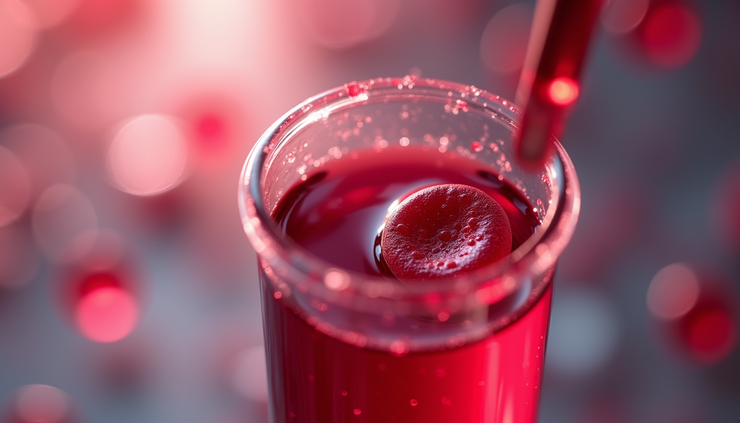
Close-up view of a blood sample in a test tube showing red blood cells
What Is Hematocrit and Why It Matters
Hematocrit is the percentage of red blood cells (RBCs) in your blood. It is measured by spinning a blood sample in a centrifuge, which separates the blood into layers. The red blood cell layer is then measured against the total blood volume. For example, a hematocrit of 45% means 45% of your blood volume consists of red blood cells.
Red blood cells carry oxygen from your lungs to tissues and organs. Therefore, hematocrit reflects your blood’s capacity to transport oxygen. Both low and high hematocrit levels can signal health issues:
Low hematocrit may indicate anemia, blood loss, or nutritional deficiencies.
High hematocrit can increase blood viscosity, raising the risk of clots, stroke, or heart problems.
Maintaining a healthy hematocrit level supports energy, endurance, and overall well-being.
What Research Says About Hematocrit Levels
Research shows that hematocrit levels vary by age, sex, altitude, and health status. Normal ranges typically fall between:
Men: 41% to 50%
Women: 36% to 44%
Studies link abnormal hematocrit levels to various conditions:
Low hematocrit and anemia: A 2018 study in the Journal of Hematology found that iron deficiency is the most common cause of low hematocrit worldwide. Anemia can cause fatigue, weakness, and impaired cognitive function.
High hematocrit and cardiovascular risk: Research published in Circulation (2020) showed that elevated hematocrit increases blood thickness, which can strain the heart and raise the risk of clot-related events.
Athletic performance: Athletes often have higher hematocrit levels due to increased red blood cell production, which improves oxygen delivery and endurance. However, artificially boosting hematocrit (e.g., blood doping) is dangerous and banned in sports.
Understanding your hematocrit level helps identify underlying health issues and guides lifestyle choices.
How Diet Can Improve Hematocrit
Diet plays a crucial role in maintaining healthy hematocrit levels, especially by supporting red blood cell production. Here are key nutrients and foods to focus on:
Iron
Iron is essential for hemoglobin, the oxygen-carrying protein in red blood cells. Without enough iron, your body cannot produce sufficient red blood cells.
Sources: Red meat, poultry, fish, lentils, beans, spinach, fortified cereals.
Tip: Pair plant-based iron sources with vitamin C-rich foods (like citrus fruits) to improve absorption.
Vitamin B12 and Folate
Both vitamins are necessary for red blood cell formation and DNA synthesis.
Sources of B12: Meat, dairy, eggs, fortified plant milks.
Sources of folate: Leafy greens, asparagus, beans, nuts, and whole grains.
Protein
Adequate protein intake supports overall blood health and cell repair.
Sources: Lean meats, dairy, legumes, nuts, seeds.
Hydration
Proper hydration keeps blood volume balanced, preventing falsely elevated hematocrit due to dehydration.
Foods to Limit
Excessive caffeine and alcohol can impair nutrient absorption.
Highly processed foods may lack essential nutrients.
Exercise and Hematocrit: What You Need to Know
Regular physical activity influences hematocrit levels by stimulating red blood cell production and improving cardiovascular health.
How Exercise Affects Hematocrit
Endurance training increases red blood cell mass to meet higher oxygen demands.
High-intensity interval training (HIIT) can boost erythropoietin (EPO), a hormone that promotes red blood cell production.
Dehydration during exercise can temporarily raise hematocrit by reducing plasma volume.
Recommended Exercise Practices
Aim for at least 150 minutes of moderate aerobic exercise weekly, such as brisk walking, cycling, or swimming.
Include strength training 2-3 times per week to support overall health.
Stay hydrated before, during, and after workouts to maintain balanced blood volume.
Caution
Extreme endurance training or altitude exposure can raise hematocrit excessively, increasing blood viscosity. Monitor levels if you engage in intense or prolonged exercise.
When to Consider Supplements for Hematocrit
Supplements may help if dietary intake or absorption is insufficient, but they should be used carefully and ideally under medical supervision.
Iron Supplements
Commonly prescribed for iron-deficiency anemia.
Can cause side effects like constipation or stomach upset.
Avoid taking iron without confirmed deficiency, as excess iron can be harmful.
Vitamin B12 and Folate Supplements
Useful for people with deficiencies due to diet, absorption issues, or certain medical conditions.
B12 injections may be necessary for those with absorption problems.
Other Supplements
Vitamin C: Enhances iron absorption.
Copper and Vitamin A: Support red blood cell production but are rarely deficient in typical diets.
Important Notes
Always get blood tests before starting supplements.
Follow dosage instructions carefully.
Consult a healthcare provider if you have chronic conditions or take other medications.
Monitoring Hematocrit and When to Seek Medical Advice
Regular blood tests can track hematocrit levels, especially if you have symptoms like fatigue, dizziness, or unexplained shortness of breath.
Seek medical advice if you experience:
Persistent low energy or weakness.
Signs of dehydration or excessive bleeding.
Symptoms of blood clots such as swelling, pain, or sudden chest pain.
Summery
Hematocrit is the percentage of red blood cells in your blood and reflects how efficiently oxygen is delivered to tissues. Healthy levels support energy, endurance, and overall well-being, while low hematocrit can signal anemia or nutrient deficiencies and high levels can increase blood thickness and cardiovascular risk. Normal ranges vary by sex, age, altitude, and health status, making hematocrit a valuable marker for identifying underlying issues.
Research shows that iron deficiency is the most common cause of low hematocrit, while excessively high levels are associated with increased risk of clotting and heart strain. Diet plays a major role in maintaining healthy levels by supporting red blood cell production through adequate intake of iron, vitamin B12, folate, protein, and proper hydration. Regular exercise, especially endurance and interval training, can naturally stimulate red blood cell production, though dehydration and extreme training can temporarily elevate hematocrit.
When diet alone is insufficient, supplements such as iron, vitamin B12, or folate may help, but only when deficiencies are confirmed through blood tests. Monitoring hematocrit through routine labs and seeking medical advice for symptoms like fatigue, dizziness, or signs of clotting is important. Maintaining balanced nutrition, consistent exercise, and proper hydration helps keep hematocrit within a healthy range and supports long-term health.
Your healthcare provider can interpret hematocrit results in context and recommend appropriate treatment or lifestyle changes.
Real progress starts with the right plan—and the right support.
With Punzy Fitness, you’ll get weekly coaching, personalized movement assessments, and clear next steps tailored to your goals.
👉 Apply for online coaching and start moving better, feeling stronger, and living healthier.
Disclaimer:
The information shared in this article is for educational purposes only and is not a substitute for professional medical advice. Always consult with your healthcare team before beginning a new exercise program, using supplements, or making dietary changes, especially if you have existing health conditions.


Comments