Exploring the Benefits of Sitting on the Ground for Health Fitness and Wellness

Sitting on the ground is a simple, natural habit that many people have lost in modern life. Most of us spend hours each day sitting on chairs, sofas, or benches, often without thinking about how this affects our bodies. But research and traditional practices suggest that sitting on the ground offers unique benefits for health, fitness, and overall wellness. This post explores what science says about this habit, the pros and cons, risks and rewards, and how to include ground sitting in your daily routine, especially as you age.
What Research Says About Sitting on the Ground
Studies on posture and movement show that sitting on the ground encourages better alignment and flexibility compared to sitting in chairs. When you sit on the floor, your body naturally adjusts to maintain balance, which activates muscles in your core, hips, and legs. This can improve joint mobility and reduce stiffness.
For example, a 2018 study published in the Journal of Physical Therapy Science found that floor sitting helped improve hip flexibility and reduced lower back pain in participants who practiced it regularly. Another study in Ergonomics noted that floor sitting promotes a more natural spinal curve, which can help prevent slouching and related discomfort.
Traditional cultures that sit on the ground regularly, such as in parts of Asia and the Middle East, often show fewer cases of posture-related problems and better hip mobility. This suggests that ground sitting supports long-term musculoskeletal health.
Pros and Cons of Sitting on the Ground
Pros
Improves flexibility
Sitting on the floor stretches muscles and joints, especially in the hips, knees, and ankles. This can increase your range of motion over time.
Strengthens core and lower body muscles
Balancing without back support activates stabilizing muscles, which helps build strength and endurance.
Encourages better posture
Without a chair’s backrest, you tend to sit upright, which supports spinal health.
Supports digestion
Some people find that sitting cross-legged or in other floor positions aids digestion by promoting better abdominal blood flow.
Promotes mindfulness and relaxation
Ground sitting is common in meditation and yoga, helping reduce stress and improve mental focus.
Cons
Can be uncomfortable for some
People with knee, hip, or ankle problems may find sitting on the floor painful or difficult.
Risk of poor posture if not mindful
Slouching or leaning forward while sitting on the ground can cause strain.
Not always practical
In some environments, sitting on the floor may not be feasible or socially acceptable.
Risks Versus Rewards
The rewards of sitting on the ground include improved flexibility, posture, and muscle strength. These benefits can reduce the risk of chronic pain and mobility issues, especially as you get older. However, the risks mainly involve discomfort or injury if you have existing joint problems or if you adopt poor posture.
To minimize risks:
Start slowly and use cushions or props for support.
Avoid forcing positions that cause pain.
Consult a healthcare provider if you have joint or mobility concerns.
The rewards often outweigh the risks when you approach ground sitting mindfully and gradually.
Importance of Sitting on the Ground as You Get Older
Aging often brings reduced flexibility, weaker muscles, and joint stiffness. Sitting on the ground can counteract these effects by encouraging movement and muscle engagement. Older adults who practice floor sitting regularly may experience:
Better hip and knee mobility
Stronger core muscles for balance
Reduced lower back pain
Easier transitions between sitting and standing
For example, in traditional Japanese culture, where floor sitting is common, older adults tend to maintain better mobility and independence longer than in cultures where chair sitting dominates.
Potential Health, Fitness, and Performance Benefits
Sitting on the ground can contribute to several areas of health and fitness:
Joint health
Regularly sitting in varied positions keeps joints lubricated and flexible.
Muscle activation
Core and leg muscles work harder to maintain balance, improving strength.
Postural control
Better posture reduces strain on the spine and muscles.
Mind-body connection
Ground sitting often accompanies mindful practices like meditation, which support mental health.
Functional fitness
Being comfortable sitting on the floor helps with everyday movements like picking things up or playing with children.
Athletes and fitness enthusiasts can use ground sitting as part of warm-ups or cool-downs to improve flexibility and recovery.
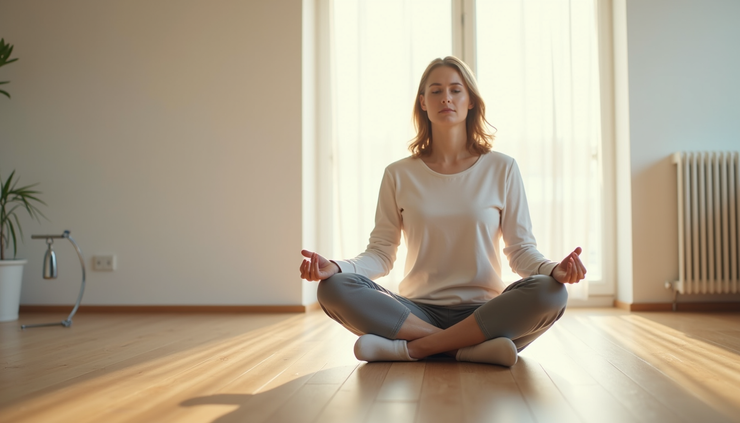
How to Add Sitting on the Ground to Your Health and Wellness Routine
Incorporating ground sitting into your daily life can be simple and rewarding. Here are some practical tips:
Start with short sessions
Begin by sitting on the floor for 5-10 minutes a day, gradually increasing time as you get comfortable.
Use cushions or yoga blocks
Support your hips or knees to reduce strain and improve comfort.
Try different positions
Experiment with cross-legged, kneeling, or legs-stretched-out positions to find what feels best.
Combine with stretching or meditation
Use ground sitting as a chance to stretch your hips and back or practice mindfulness.
Replace some chair time
Sit on the floor while reading, working on a laptop, or watching TV.
Practice mindful posture
Keep your back straight and shoulders relaxed to avoid slouching.
Listen to your body
Stop if you feel pain and adjust your position or use props.
Final Thoughts on Sitting on the Ground
Sitting on the ground offers clear benefits for flexibility, posture, muscle strength, and mental wellness. It supports joint health and functional movement, which become increasingly important as we age. While it may feel unfamiliar or uncomfortable at first, starting slowly and using supports can help you enjoy the rewards without risk.
Real progress starts with the right plan—and the right support.
With Punzy Fitness, you’ll get weekly coaching, personalized movement assessments, and clear next steps tailored to your goals.
👉 Apply for online coaching and start moving better, feeling stronger, and living healthier.
Disclaimer:
The information shared in this article is for educational purposes only and is not a substitute for professional medical advice. Always consult with your healthcare team before beginning a new exercise program, using supplements, or making dietary changes, especially if you have existing health conditions.



Comments