Essential Tips for Choosing the Perfect Workout Shoes
- Richard Punzenberger
- Jan 3
- 3 min read

Finding the right workout shoes can transform your exercise experience. Wearing the wrong shoes can cause discomfort, reduce performance, and even lead to injuries. Whether you run, lift weights, or attend fitness classes, selecting shoes that match your activity and foot type is crucial. This guide breaks down everything you need to know to pick workout shoes that support your goals and keep you comfortable.
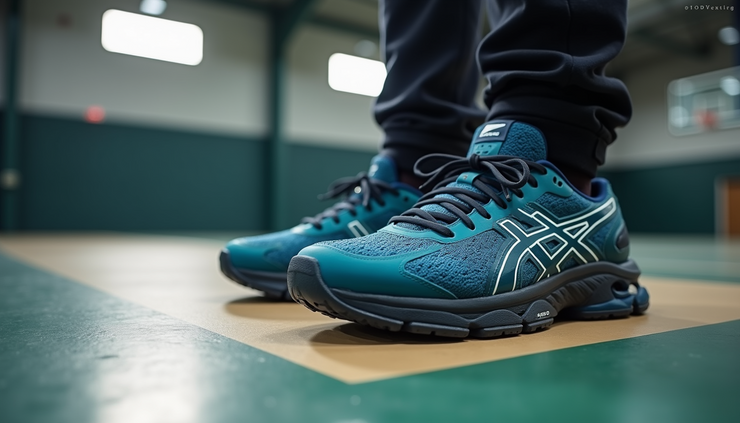
Understand Your Workout Type
Different activities put unique demands on your feet. Shoes designed for one sport may not work well for another. Start by identifying the main type of exercise you do:
Running: Running shoes focus on cushioning and shock absorption. They support forward motion and help reduce impact on joints.
Cross-training: Cross-trainers offer a balance of support, flexibility, and stability. They work well for gym workouts, aerobics, and classes that combine cardio and strength.
Weightlifting: Weightlifting shoes provide a firm, flat base with minimal cushioning. This helps with balance and power during lifts.
Walking: Walking shoes emphasize comfort and arch support, with moderate cushioning.
Trail running: Trail shoes have aggressive tread patterns for grip on uneven surfaces and extra protection against rocks and roots.
Choosing shoes designed for your primary activity ensures your feet get the right support and protection.
Know Your Foot Shape and Gait
Your foot shape and how you walk or run affect the type of shoe you need. Visit a specialty store for a gait analysis or try these simple checks:
Arch type: High, medium, or low arches affect how your foot strikes the ground.
- High arches usually need cushioned shoes with good shock absorption.
- Low arches or flat feet benefit from stability shoes that prevent overpronation (excessive inward rolling).
Pronation: This is the natural inward roll of your foot during movement.
- Neutral pronators can wear most shoes.
- Overpronators need shoes with extra support and motion control.
- Underpronators (supinators) require shoes with extra cushioning.
Understanding your foot mechanics helps you avoid discomfort and injuries like plantar fasciitis or shin splints.
Focus on Fit and Comfort
Even the best shoe won’t work if it doesn’t fit well. When trying on shoes:
Shop later in the day when your feet are slightly swollen to get a realistic fit.
Wear the socks you plan to exercise in.
Leave about a thumb’s width of space between your longest toe and the shoe’s front.
The shoe should feel snug but not tight around the midfoot and heel.
Walk and jog inside the store to test comfort and support.
Check for any pressure points or rubbing areas.
Remember that shoe sizes can vary between brands and models. Always try before you buy.
Consider Shoe Materials and Construction
The materials used in workout shoes affect breathability, durability, and weight:
Uppers: Mesh uppers allow airflow to keep feet cool. Synthetic materials often add durability and structure.
Midsoles: This layer provides cushioning. EVA foam is common for lightweight comfort, while polyurethane offers more durability.
Outsoles: Rubber outsoles provide traction. Look for patterns suited to your activity, such as flat soles for lifting or lugged soles for trail running.
Well-constructed shoes balance these elements to support your workout style.
Replace Shoes Regularly
Workout shoes lose their effectiveness over time. Worn-out shoes can lead to pain and injury. Replace your shoes based on:
Mileage: Running shoes typically last 300 to 500 miles.
Wear patterns: Check the outsole for uneven wear.
Comfort: If you notice new aches or less cushioning, it’s time for a new pair.
Keeping track of your shoe’s age and condition helps maintain foot health.
Additional Tips for Choosing Workout Shoes
Try multiple brands: Different brands fit differently. Don’t settle for the first pair.
Break them in gradually: Wear new shoes for short sessions before long workouts.
Consider orthotics: If you use custom insoles, bring them when trying shoes.
Look for shoes with good heel support: This helps prevent ankle injuries.
Check return policies: Some stores allow returns after a few workouts if the shoes don’t feel right.
Real progress starts with the right plan—and the right support.
With Punzy Fitness, you’ll get weekly coaching, personalized movement assessments, and clear next steps tailored to your goals.
👉 Apply for online coaching and start moving better, feeling stronger, and living healthier.
Disclaimer:
The information shared in this article is for educational purposes only and is not a substitute for professional medical advice. Always consult with your healthcare team before beginning a new exercise program, using supplements, or making dietary changes, especially if you have existing health conditions.


Comments